
Faith & Finance
9 min read
Beyond Clean Energy: Investing in the Climate Transition
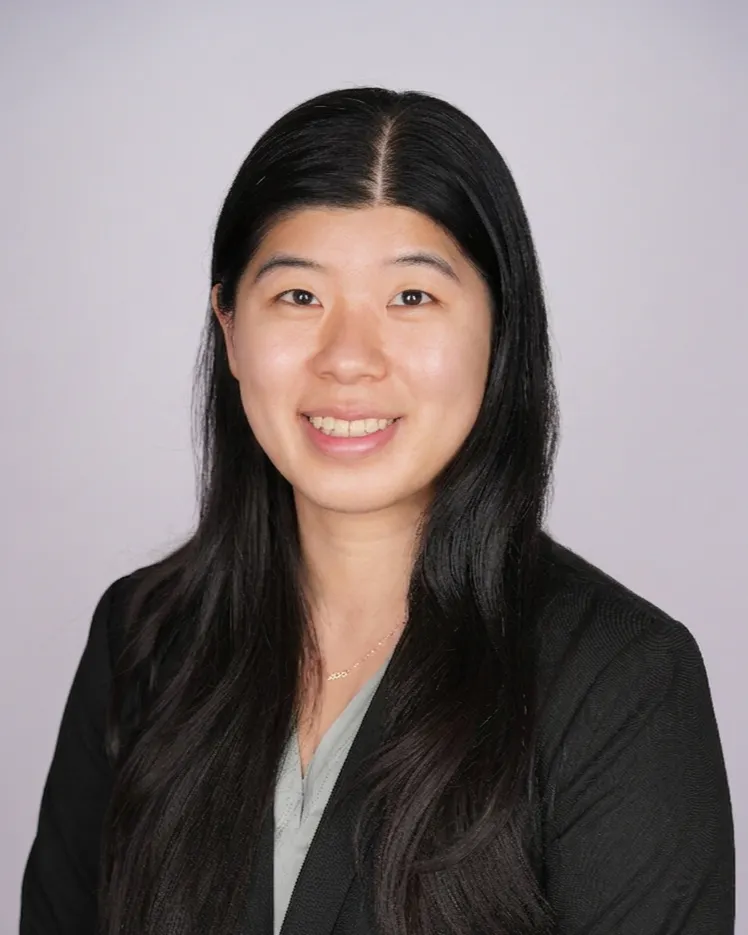
by Vanessa Wong, CFA, Associate, Investments
The Pension Boards is a long-term investor in Lombard Odier Investment Management's Climate Transition Strategy. This fund is part of the Pension Boards' Sustainable Balanced Fund, underscoring the belief that addressing climate change is integral to responsible stewardship of capital.
Lombard Odier Investment Managers (LOIM) is an active investment manager operating across Europe, Asia, and North America. The Climate Transition strategy is dedicated to supporting the shift from a fossil fuel-dependent, high-carbon economic model to a more sustainable one. The strategy invests across two key system changes: decarbonization transitioners and electrification solutions, while recognizing the integral role of adaptation solutions as the effects of climate change are already evident in today’s economy. The strategy is benchmarked against the MSCI World Index, which represents the performance of large and midcap companies across developed markets worldwide, without constraint.
Vanessa: In recent years, there has been a surge in clean energy funds, as investors recognize the urgent need to transform our economic systems to mitigate the worst effects of climate change. What makes Lombard Odier’s climate transition strategy stand out?
Peter: Fundamentally, we view sustainability as an investment conviction. This means that we think at the heart of the climate transition are system-wide changes that will ripple through the entire global economy. The Climate Transition strategy identifies the attractive investment opportunities emerging from those ripples. This means that we are not driven by ESG scores or toward clean-tech niches, but instead evaluate a broad opportunity set spanning from traditionally dirty and emissive industries like steel to those digital enablers of the transition to climate leaders offering economically superior solutions to the pain points in today’s present system.
“Our climate strategy considers the whole economy and looks at those companies that are best placed to transition to a Net Zero world. What that means is that we look at sectors such as mining, cement, and steel manufacturing. Many investors avoid those sectors, but we take a forward-looking approach finding those names that are decarbonizing rapidly—even if they have high footprints today.”
What is key for us is that climate investing is not only about investing in solar, wind, and other clean technologies. Our climate strategy considers the whole economy and looks at those companies that are best placed to transition to a Net Zero world. What that means is that we look at sectors such as mining, cement, and steel manufacturing. Many investors avoid those sectors, but we take a forward-looking approach finding those names that are decarbonizing rapidly—even if they have high footprints today.
We have an extensive team behind us from analysts to geospatial experts all helping us to deliver what we believe is a unique approach.
Vanessa: How do you choose companies that can deliver strong financial returns and meaningfully address climate change?
Peter: Our analysis always starts from a roadmap. A roadmap outlines the way we expect a certain sector or market to evolve as a result of the climate transition. Take the example of steel. Traditional steel making is incredibly carbon intensive. We investigate the path by which the steel industry can decarbonize. In our portfolio we then hold those leaders in decarbonizing steel production. This isn’t about betting on future technologies, as there are large companies today replacing coal in the smelting process with electricity that can produce steel with a 90% lower carbon footprint versus global averages.
Another great example is NVent, who sits at the intersection of two of the most powerful infrastructure themes of the next decade: AI-driven compute growth and the urgent need to make that growth thermally and electrically sustainable. The investment case is not simply that data centers are growing; it is that their power density is rising so quickly that conventional air cooling is approaching a practical ceiling. Liquid cooling remains very early in its adoption curve. Most of the installed data-center base is still air cooled and we see liquid cooling only around 10% penetrated.
These companies are not just positively exposed to the transition; they are taking share versus inefficient old technologies. We believe the market is underestimating economic opportunities, like these, that comes from decarbonizing.

Vanessa: As responsible fiduciaries, we ask our asset managers to regularly engage companies on environmental, social, and governance risks. How often do you speak to companies about their progress on sustainability? What do those conversations entail?
Peter: Our analysts and portfolio managers frequently meet with companies, and these topics are central to the discussion. Not only are we pushing companies to improve where we feel they are underperforming versus peers or our expectations, we also make sure to hold those leading companies to account ensuring they do not step away from commitments they have made to investors
For example, we joined and now co-lead a collective engagement organized by the Investor Alliance for Human Rights to drive supply chain transparency and labor issues. Specifically, we are engaging a global EV manufacturer to tackle Uyghur forced labor in the automotive industry and have a positive engagement outlook following several engagements with the company and a meeting in Q2 2026 following the release of the World Benchmarking report on Human Rights where we will ascertain an additional assessment of the company.
“Solar is growing rapidly, not simply because of government support. It is the cheapest form of new power that can be deployed very rapidly. In a world where AI is creating insatiable power demand, we need more electrons, and the companies we invest in play a crucial role in fulfilling the intense growth we are witnessing.”
Vanessa: Despite political challenges in 2025, such as the rollbacks of environmental protections in the U.S., Lombard Odier’s climate transition fund outperformed its benchmark. What is your secret sauce?
Peter: We are pleased to have outperformed in 2025 and so far in 2026 as well. What is key for us is that we don’t invest in companies that are reliant on government action. We are looking at names that have superior economics and growth outlooks. Solar is growing rapidly, not simply because of government support. It is the cheapest form of new power that can be deployed very rapidly. In a world where AI is creating insatiable power demand, we need more electrons, and the companies we invest in play a crucial role in fulfilling the intense growth we are witnessing.
Vanessa: Well said and we are proud to be on that same journey with you. Overall, how do you view the future of sustainable investing?
Peter: We believe the future is very bright. Whilst many people still view sustainable investing as making a sacrifice, our view is that sustainable investing is an opportunity. Our economic system is not fit for purpose, and we believe a fundamental system change is playing out. Those companies enabling and driving us towards a more efficient, equitable, and clean economic system have a compelling opportunity ahead of them.
Vanessa: Thank you, Peter, for highlighting that the Climate Transition strategy is not just an environmental imperative, but a far-reaching investment opportunity reshaping entire sectors of the global economy.
Watch the full interview with Peter Burke-Smith, "An Investment Conviction: What Sets Lombard Odier Apart."
Creating Lasting World Impact Through Sustainable Investing
The journey toward a more sustainable future is one we take together. Explore the stories, insights, and partnerships shaping our sustainable investing strategy in Because of Ministry…Stewarding Your Assets for a More Just World, a Pension Boards Sustainability Report. Learn how faith-driven investing is helping to create lasting positive outcomes for people, communities, and the planet. Explore how your investments contribute to long-term financial wellbeing and work toward creating a just world for all.
by Vanessa Wong, CFA, Associate, Investments
Vanessa joined the Pension Boards’ Investment team in 2025, responsible for collecting and analyzing manager and market data, and evaluating and monitoring investment managers in all asset classes. Prior to joining the Pension Boards, Vanessa worked at Ceres as an Investor Network Manager. Prior to Ceres, she was a Wealth Advisor Associate at Morgan Stanley and Equity Specialist at Bloomberg LP. Vanessa holds a Bachelor of Business Administration in Accounting and Finance, minor in English Studies from The University of Hong Kong. Vanessa is also a CFA charterholder and is IFRS SASB FSA Certified.
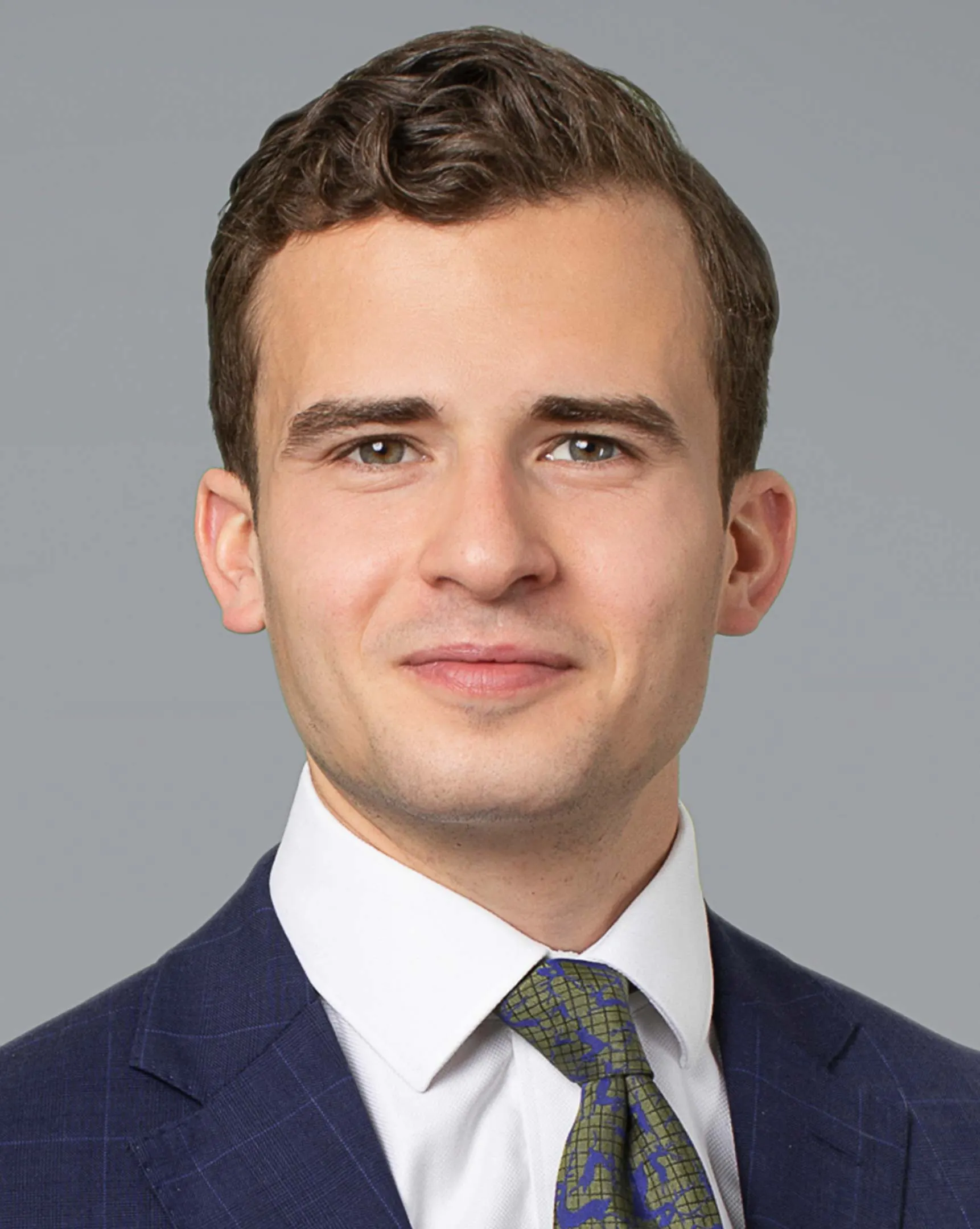
by Peter Burke-Smith, Co-Portfolio Manager, Lombard Odier Investment Managers
Peter Burke-Smith is Co-Portfolio Manager for the Climate Transition strategy in Lombard Odier Investment Managers (LOIM) Sustainable Equity team. He joined LOIM in April 2021 as a junior portfolio manager and became co-portfolio manager in June 2023. Prior to joining LOIM, Peter worked for Morgan Stanley, where he was the ESG specialist on the global equity sales team covering a range of hedge funds and long-only clients with ESG-focused mandates. Peter holds an MSc in Environmental Technology from Imperial and a bachelor’s from Oxford in Geography.
We all agree on the mission—invest the assets held in trust for retirement wisely and prudently, while maximizing the positive impact on climate change, human rights and providing capital to empower those challenged by a lack of economic success.David A. Klassen
Chief Investment Officer at the Pension Boards
RELATED ARTICLES
Investing for a Just and Sustainable Future
Stewardship and Shareholder Power: Why Engagement Matters
POPULAR RESOURCES
Why Sustainability Matters: 2024-25 Sustainability Report
The Pension Boards' 2024-25 Sustainability Report, themed "Why Sustainability Matters," centralizes on the organizations' commitment to corporate social responsibility and responsible investing by way of its journey and recent advancements in four areas: alignment; integration; impact; and engagement.
Evercall Magazine: A UCC Lifetime Retirement Income Plan Edition
An exploration of perspectives of retirement from the lens of continued engagement in ministry, affecting real-world change, and securing lifetime income and legacy during active ministry years.