
Answering The Call
11 min read
How Part-Time Clergy Prepare for Retirement
by G. Jeffrey MacDonald
Southern New England Conference
When the Rev. Frances Chester started having children in the early 2000s, she opted to serve part-time rather than full-time in ministry. She hoped the extra time outside of work would be beneficial for her family and for her personally, especially while raising two children at home. And it has been.
“I think I have the best gig going for my life,” said Chester, who serves a three-quarter-time call as Pastor of Falkner Swamp Reformed United Church of Christ in Gilbertsville, Pennsylvania.
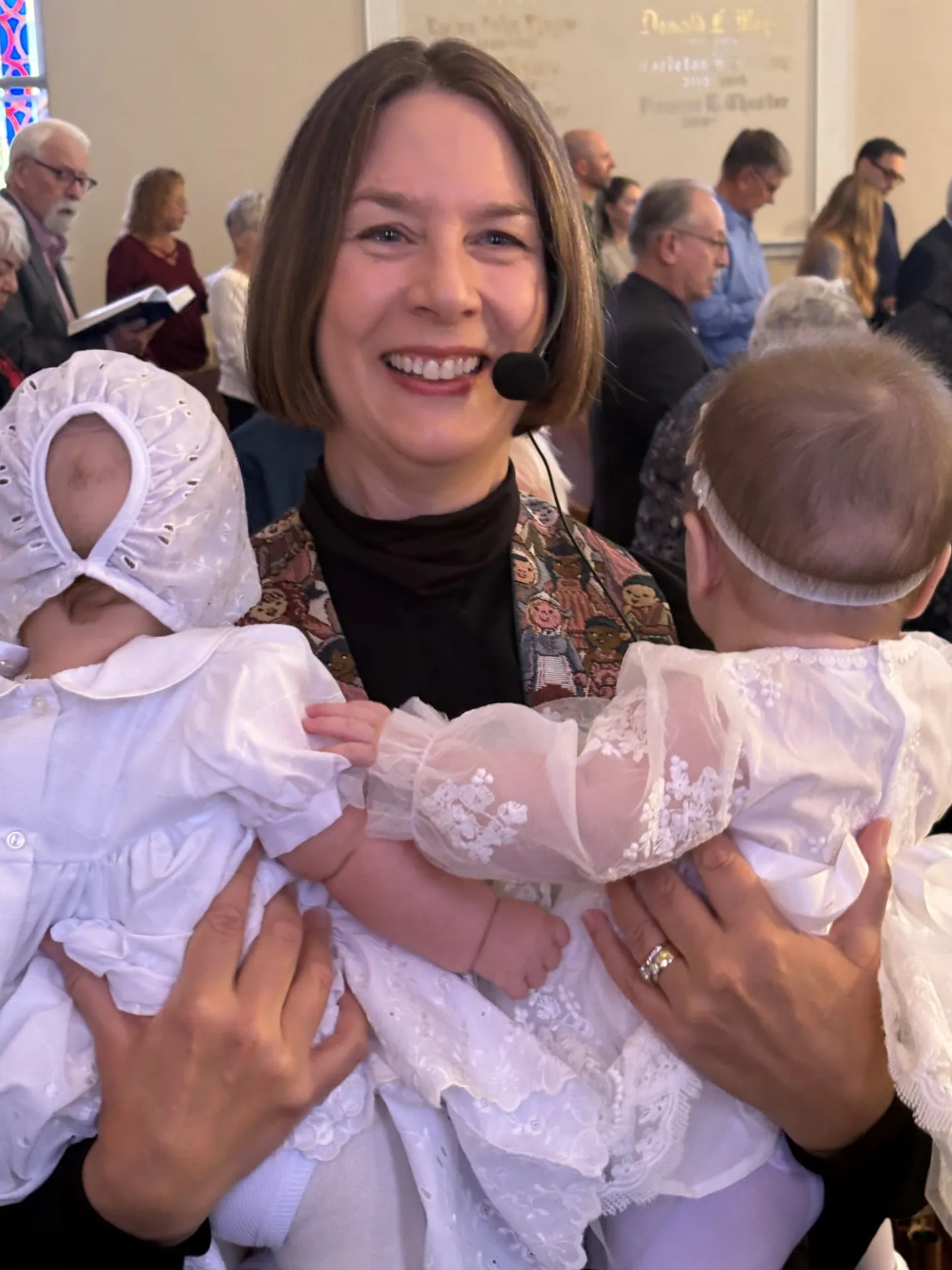
Rev. Frances Chester, Pastor of Falkner Swamp Reformed United Church of Christ in Gilbertsville, Pennsylvania
But part-time ministry life has also come with tradeoffs, some of which are being felt now as Chester, 58, thinks about retiring within 10 years, perhaps at age 67. Having both kids now in college and wanting to help them graduate without hefty student loan debts, she doesn’t know when her retirement will be affordable.
“If I had been in full-time ministry, I would have greater funds in my retirement account,” Chester said in an email. “It’s a factor in feeling ‘not so ready’ [for retirement].”
Challenges notwithstanding, she’s doing what successful retirees do: lining up multiple income streams. One is already flowing: rental income from a tenant unit in her multifamily home. Another will come from her husband’s pension when he retires. Third and fourth streams will come from their Social Security benefits, though she wonders about the future of that program amid dire funding projections.
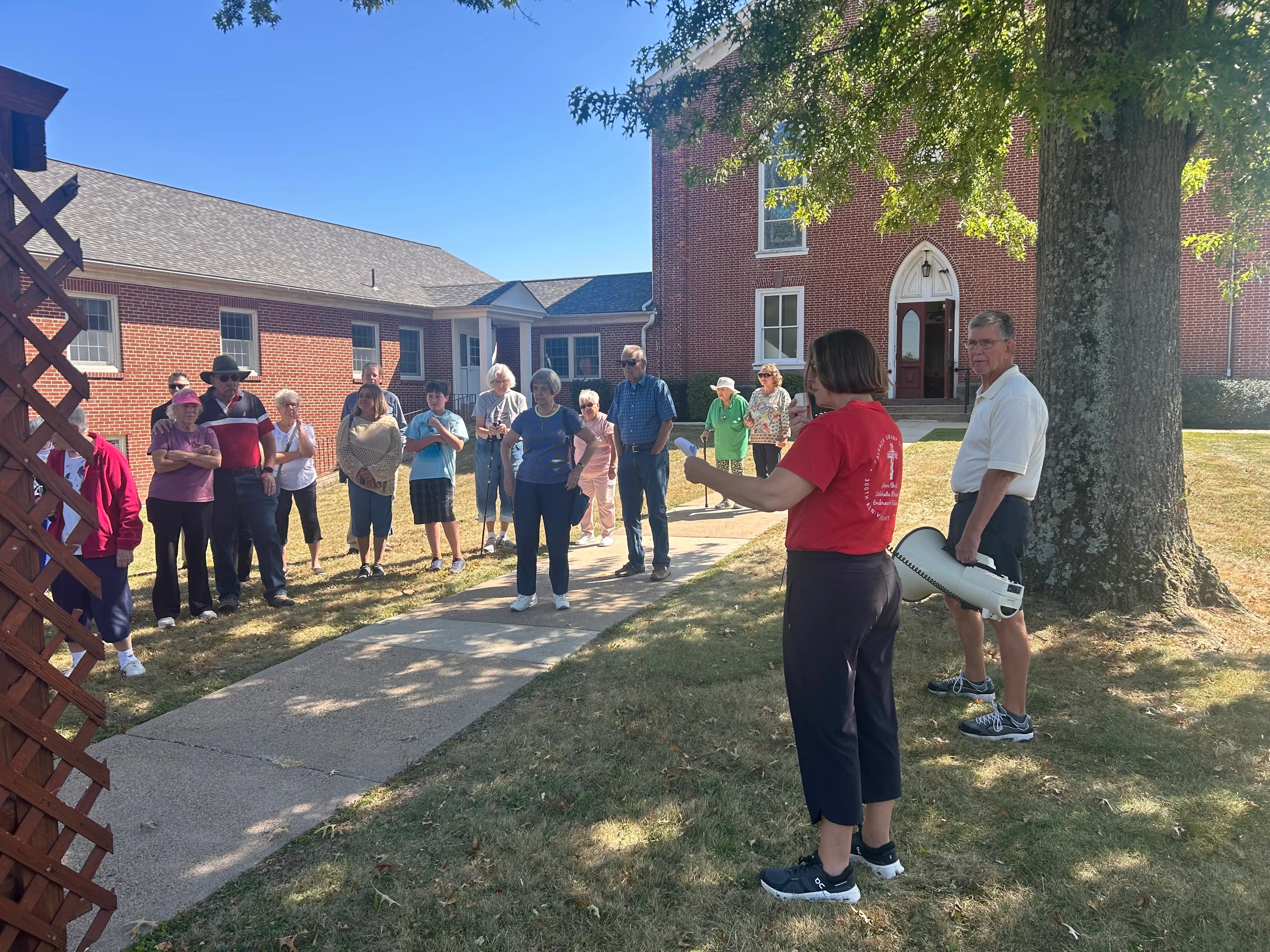
And as a Pension Boards-UCC member, she’ll receive a fifth stream from the Lifetime Retirement Income Plan, which makes annuity payments to retirees. Her congregation contributes a pre-tax sum monthly, which helps her build up that stream.
“In many ways, we are in a good position,” Chester said. “But I am nervous about the drain on college for our children, setting them up for a future, as well as any additional needs we may have as we age. A lot of unknowns.”
Forty-three percent of UCC congregations were led by part-time pastors in 2020, up from 36 percent five years earlier, according to a Center for Analytics, Research & Development (CARDD) analysis of the 2020 Faith Communities Today (FACT) report. About half of those part-time UCC pastors work at least one other job, either in ministry or another field.
As a pastor eyeing a move from part-time ministry to eventual retirement, Chester has plenty of company. Forty-three percent of UCC congregations were led by part-time pastors in 2020, up from 36 percent five years earlier, according to a Center for Analytics, Research & Development (CARDD) analysis of the 2020 Faith Communities Today (FACT) report. About half of those part-time UCC pastors work at least one other job, either in ministry or another field.
Serving part-time can mean a pastor doesn’t have a traditional employee pathway to retirement. One might not have access, for instance, to matching employer contributions to a 401(k) plan. Another might struggle to save monthly due to caregiving responsibilities or inconsistent income from self-employment.
But data show most part-time clergy are feeling good about their financial situations. They’re leveraging tools and assets to create the multiple income streams they’ll need. They might not be following preset pathways or conventional avenues, but their entrepreneurial ways are bearing fruit.
For most pastors, part-time ministry correlates with financial security. In a 2023 national survey of more than 1,700 pastors, the Hartford Institute for Religion Research found that part-time clergy are significantly less likely than full-timers to say they worry often about safety, food, housing, or meeting normal monthly expenses.
In other words, the vast majority of part-time clergy in America report feeling financially stable. How is that possible without a full-time church income?
It’s because they’re not depending solely on one church job to make ends meet or to save for retirement. They’re fostering multiple income streams, sometimes early on, and the strategy is paying off.
Age matters. The median age of part-time clergy is 67, according to Hartford’s survey. That means a large percentage, perhaps more than half, are collecting Social Security checks. At that stage of life, many have other income sources as well, such as a pension from a prior career, spousal income, or proceeds from investments.
And what about the other half who aren’t yet old enough to retire with full Social Security benefits? How do they prepare so that multiple income streams will come their way in retirement and perhaps sooner?
For starters, part-timers can tap into many free resources available to them as UCC clergy. These are intended to get them on track or to accelerate progress. A few examples:
· Emergency grants. Pastors may apply for assistance to cover expenses such as medical debt, funeral costs, and daily living bills that exceed their personal means.
· Personal finance webinars. Common concerns are discussed monthly in online events hosted by the Pension Boards in partnership with Fidelity Investments.
· Financial counseling. Pastors who are members of the Pension Boards are entitled to free financial counseling sessions, as are their immediate family members.
· Calculator tools. Pastors use these to make projections and inform decision-making on issues such as whether to rent or buy a home; lease or buy a car; and spend savings or borrow to make a major purchase.
· Annuity planning. Pastors use this timeline to plan when to start receiving payments in retirement and how to take the benefits.
In terms of instruments for executing retirement plans, part-time UCC clergy may participate in the annuity-paying Lifetime Retirement Income Plan even if their ministry role has them working fewer than 20 hours per week. They can join even if they didn’t enroll when their ministry career began.
Part-time clergy aren’t waiting until retirement, however, to start generating multiple income streams. They’re doing so in their prime working years. And it’s paying off in terms of enhanced financial security for both near- and long-terms.
Consider the approach used by the Rev. Joy Fenton-Jones, a 44-year-old UCC pastor who lives in Akron, Ohio. She pastors two Cuyahoga Falls congregations: Pilgrim UCC and First Christian Church. She also works as a United Methodist Church contractor for new ministry development in the region and as a building redevelopment consultant for First Congregational Church of Hudson. She’s married with two young children, an adult stepchild, and an adult adoptee.
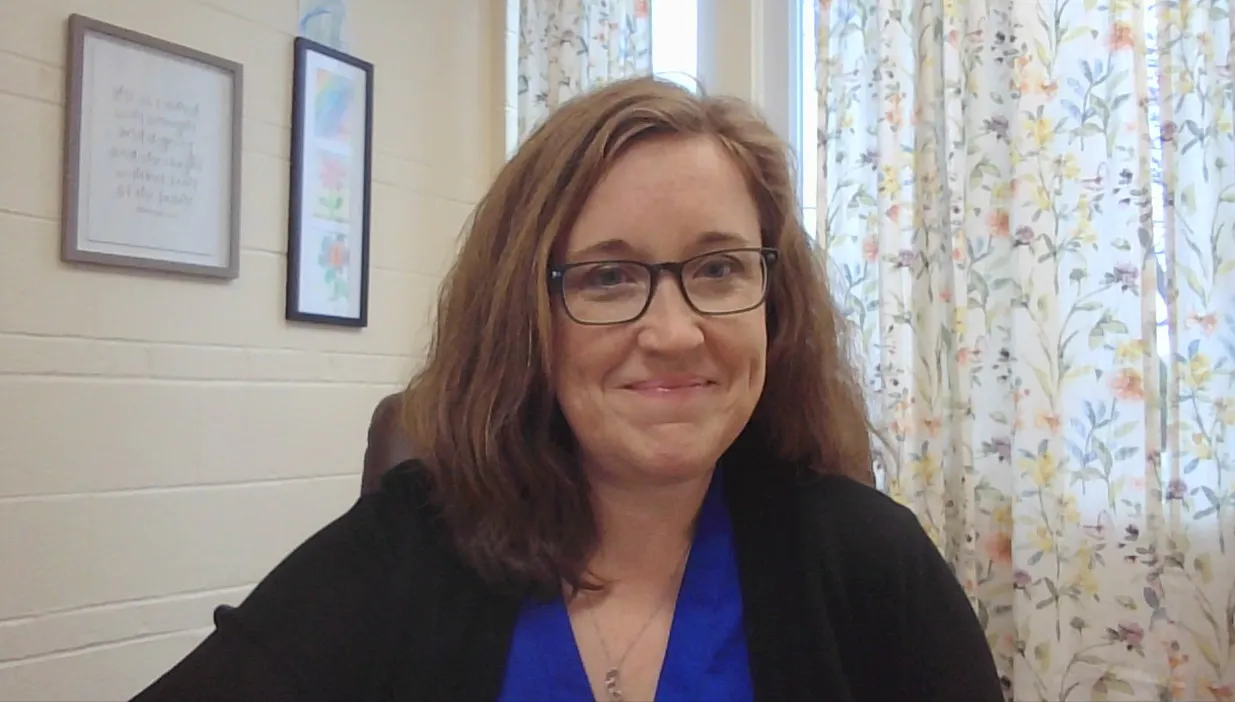
Rev. Joy Fenton-Jones, Pastor, Pilgrim UCC and First Christian Church in Cuyahoga Falls, Ohio
From her multi-vocational work, she’s generating four income streams that collectively bring in $117,000 a year. Her husband brings in another two: one from his full-time job, which pays $65,000 plus family health benefits, and a second from his service in the U.S. Army Reserve. She says it adds up to a financially comfortable life that’s rich in variety and flexibility.
When she looks ahead, she pictures herself always doing meaningful work, whether paid or volunteer, for as long as she can. In that context, she isn’t worried about funding her retirement. “I feel great about it!” she wrote. “I am very happy with my retirement planning and preparedness to this point.”
She hasn’t always been as proactive about retirement preparation as she is now.
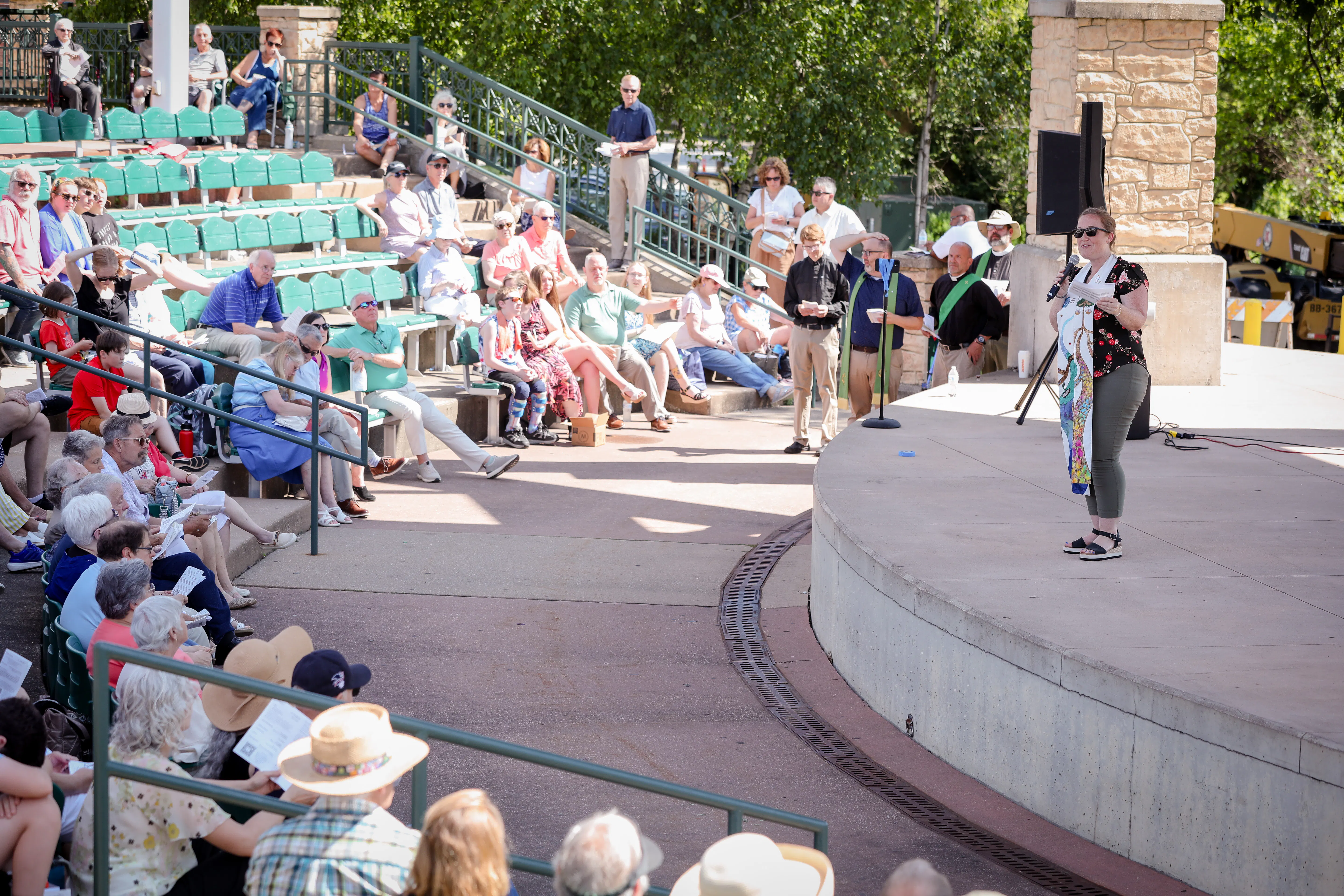
“I may be better positioned than some folks who have more ‘traditional’ [full-time] employment and retirement plans,” Fenton-Jones said. “Back in the days I had a full-time job, I was kind of ‘sleeping at the switch’ regarding retirement planning. I nodded and smiled and put in my 2% to whatever plan they had (which I didn’t even look at). Since I’ve become multi-vocational, I have retained a financial advisor and become choosier about my investments.”
How part-time pastors make retirement work is far from a one-size-fits-all program. Many in their late 60s or older, including formerly full-time pastors, want to keep their hand in ministry without having to keep a full-time schedule. Doing pulpit supply or interim work can keep them feeling valued, stimulated, spiritually minded, and socially engaged. Plus, the extra income can help stretch their nest eggs. Investments don’t have to be cashed out as rapidly if the part-time ministry paychecks can cover even a few of the monthly bills.
Others will want to leave professional ministry behind at a certain point, whether for personal or health reasons. Not everyone will have the same types of assets to draw upon, nor will they have the same types of needs.
But all will find that having a diversified set of income streams, including a few passive ones, can deliver valuable advantages in one’s retirement years. The early jump that part-time pastors are getting is already serving them well.
Help Your Employees Build Financial Security for Life
UCC employers can contribute directly to their employees’ PBUCC Lifetime Retirement Income Plan, ensuring they have a reliable income stream in retirement—even if they serve part-time. Contact us today to learn more about how you can make a lasting impact at contactus@pbucc.org.
by G. Jeffrey MacDonald
G. Jeffrey MacDonald is an award-winning journalist, United Church of Christ pastor in the Southern New England Conference, and author of Part-Time is Plenty: Thriving without Full-Time Clergy (Westminster John Knox Press, 2020). He provides training workshops on part-time ministry strategies for church vitality. His website is gjeffreymacdonald.com.
Younger people called to ministry do not carry around the burden of the way things were in the 'good old days'... they seek emotional engagement with their faith.Rev. Dr. Sarah Drummond
RELATED ARTICLES
How Financial Health and Part-Time Ministry Go Hand-In-Hand
Retirement: Live for Today and Plan for Tomorrow
POPULAR RESOURCES
Evercall Magazine: A General Synod 35 Edition
An exploration of how individuals and institutions can establish deep, resilient foundations—because of ministry, and for the sake of ministry—to sustain faithful service and justice-driven leadership today and into the future.
Generations: A Journal of Faith and Finance - Cultivating Resilience and Self-Care in a Multi-Vocational World
Cultivating Resilience and Self-Care in a Multi-Vocational World