
Answering The Call
8 min read

Retirement is Not Rest—It’s Reinvestment
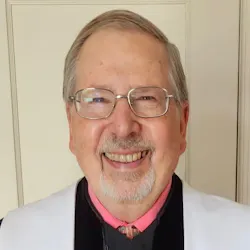
by Richard Guhl
Retirement marks a major life transition—especially for those who have devoted decades to ministry. For many pastors, stepping away from the pulpit raises questions about financial security, purpose, and calling. Rev. Richard Guhl, an active member at St. John's UCC in Allentown, PA, found new ways to serve through environmental justice, which became his central focus post-ministry life.
Q: How did you transition from active ministry to retirement? What resources did you have, and how did you prepare financially?
I discovered something surprising when I retired—I had more income than when I was working! Financially, the transition was easy because I started my retirement account with the Pension Boards back in 1975. My employer strongly supported ministers and faithfully contributed a percentage to my account. That long-term planning paid off.
After 27 years of serving the church, I sensed it was time to step aside and let others lead. My wife was still working, so I suddenly had time on my hands, which opened new doors for me.
Q: What did you anticipate doing after retirement?
I expected to fill in at the pulpit for other pastors as a way of paying it forward. When I was on vacation, others stepped in for me—so I wanted to return the favor. That was one of the first things I envisioned: helping my colleagues in ministry.
Q: What has surprised you most about retirement?
The freedom! No more mandatory meetings or office hours. But that freedom means you must be intentional about staying active and connected. I’ve built relationships with people in other congregations that I never would have met otherwise.
Q: How did you get involved in environmental justice work?
It started simply—walking for exercise and noticing litter in the neighborhood. I began picking it up, and over time, expanded my efforts to industrial areas and fire stations. It felt good to do something tangible for the community and environment.
My interest in environmental issues goes back to college—I majored in chemistry and was aware of climate change as early as the 1960s. After retirement, thinking about my granddaughter’s future reignited that concern. Climate change became personal. It motivated me to invest my time with purpose.
Q: How did your church become part of this work?
It began with a social media debate about climate change. Someone challenged me: “Churches talk big, but what are they doing?” That pushed me to act. I proposed an environmental initiative to our Consistory. They suggested starting small—with a Green Team. I became the leader, recruited members, and aligned our efforts with the UCC Environmental Justice program.
Eventually, I connected with Rev. Dr. Brooks Berndt, UCC’s Environmental Justice Minister, and joined the Climate Hope Affiliates program—a national movement addressing climate change and social justice. We launched the first chapter in Pennsylvania’s 7th Congressional District.
Q: What do Climate Hope Affiliates do?
We began with a four-session training program, then formed a committed group that meets monthly. Our work includes:
· Hosting national webinars on climate issues
· Writing letters to editors and op-eds
· Engaging colleges and universities
· Building a movement beyond church walls
Our mission is to help people connect climate concerns with political action.
Q: Any successes so far?
One highlight was meeting with an aide to Senator Fetterman, who was excited about our work and eager to collaborate. Building a movement takes time, but these conversations matter.
Q: What environmental justice issues need urgent attention?
Right now, protecting the funding for the Environmental Protection Agency (EPA) is critical. Proposed budget cuts—up to 55%—would cripple its ability to safeguard our environment. Even a 25% cut would be devastating. Defending vital institutions like the EPA is both a scientific and moral imperative.
Q: Returning to retirement: What are the greatest challenges ministers face when transitioning into retirement?
The number one challenge is health. Aging brings inevitable diminishments. Many retirees I know remain active in service but struggle with health issues that limit their involvement. Personally, I’ve had two hip replacements and surgery for squamous cell cancer. We do what we can, but health is a reality we all face. Practice self-care.
Q: What happens when ministers neglect self-care?
I’ve seen colleagues try to go it alone—the “lone wolf” approach. That worries me because ministry stress is real. Parishioners may joke, “You only preach an hour a week,” but the emotional load is heavy. People bring their family struggles into church relationships, and that can break your heart. Self-care and support networks are essential to one’s physical and emotional health.
Q: What advice would you give younger clergy about maintaining purpose in ministry?
Be intentional about connecting with colleagues. Join a study group or a peer network. Ministry can be isolating, and that’s dangerous. Trusted colleagues help you navigate rough spots. These groups aren’t just about scripture—they’re about life: addiction, health, conflict, and more. And read Generation to Generation by Rabbi Edwin Friedman—it’s a great resource on family systems and church dynamics.
Q: Now that you have re-purposed your calling to serve in environmental justice, what legacy do you hope to leave behind?
I want to leave the world better than I found it—a legacy of care. Whether through ministry, food banks, healthcare support, or environmental advocacy, my goal has always been to make life better for others. Retirement didn’t end that mission; it simply reshaped it. For me, retiring with purpose means continuing to serve in ways that matter—finding new avenues to live out my values and make a positive impact. Purpose doesn’t retire; it evolves.
Investments with Your Values in Mind
The Pension Boards’ Investment Program aims to provide the highest level of investment performance within the guidelines of the organization and invests assets on behalf of its members for positive impact. We emphasize and support our shared United Church of Christ values such as sacredness of creation, human rights, and underserved & underrepresented populations.
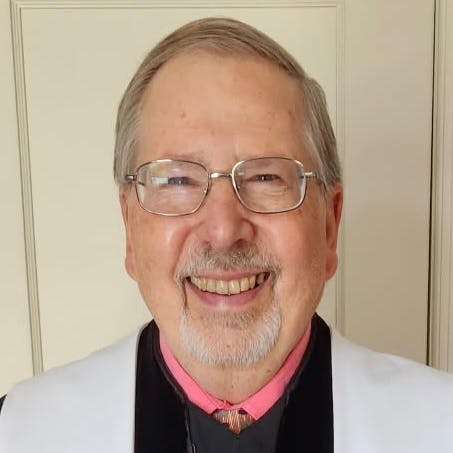
by Rev. Richard Guhl
The Rev. Richard Guhl is an active member at St. John’s UCC in Allentown, PA. Prior to retiring, he served as pastor of St. John's UCC, Coopersburg PA for 27 years.
You are the light of the world. You are gifted. Let your light shine. Glorify God and bring joy and healing to your world.Bruce Epperly
retired UCC and Disciples of Christ pastor
RELATED ARTICLES
On Holy Labor
Environmental Stewardship—for People and the Planet
POPULAR RESOURCES
Why Sustainability Matters: 2024-25 Sustainability Report
The Pension Boards' 2024-25 Sustainability Report, themed "Why Sustainability Matters," centralizes on the organizations' commitment to corporate social responsibility and responsible investing by way of its journey and recent advancements in four areas: alignment; integration; impact; and engagement.
Generations: A Journal of Faith and Finance - Cultivating Resilience and Self-Care in a Multi-Vocational World
Cultivating Resilience and Self-Care in a Multi-Vocational World