
Faith & Finance
6 min read

Sustainable Investing: The Evolution of a Mission Critical Strategy
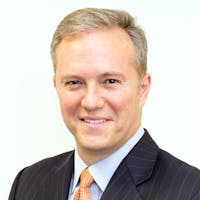
by Andrew Russell
Director, Fixed-Income Investments, Pension Boards - United Church of Christ, Inc.
A Q and A with Andrew Russell, Pension Boards Director of Fixed-Income Investments.
Q: How has sustainable investing evolved?
Originally an ethical or moral consideration by religious organizations and generally addressed by simple avoidance of offensive categories such as alcohol, tobacco, and gambling, current sustainable investors come in all stripes and seek to align their investment capital with themes that support their values, such as climate change, affordable housing, and human rights.
Q: How do you think it needs to improve? What changes are needed?
Before it improves, it needs to increase. The need for investment capital to support sustainability is so great, current allocations are woefully insufficient. This is most prevalent in the worldwide effort to address climate change.
Investors should consider the big picture as it relates to this capital need and be open-minded regarding possible investment in companies that are willing and able to contribute to sustainable outcomes even if their traditional business models run counter to them. For example, if an oil and gas producer—in the process of reducing its green-house gas emissions and pro-actively implementing internal policies that support and advance gender equality issues—seeks to borrow capital to build a new office building (that is environmentally friendly and LEED compliant) by selling bonds to investors, should this company be shunned by sustainable investors simply due to its categorization as a fossil fuel company? Companies in transition should be welcomed and assisted, not excluded.
Q. What role does the Pension Boards plan to play in the evolution of sustainable investing?
We believe sustainable investing should be proactive and a positive force. The Pension Boards is a signatory to the United Nations Principals for Responsible Investment, and we are a thought leader in sustainable investing, where we practice a three-pronged approach that includes alignment, integration, and impact considerations. As relates to fixed income investments, the Pension Boards is a member of the Green Bond Principles and the Social Bond Principles.
We are a recognized and significant participant in the sustainable fixed income market with nearly $400 million invested in sustainable bonds on behalf of our members. That’s over half of our internally managed fixed income investments.
Q. How has your approach to sustainable bond investing evolved over time?
Historically our sustainable fixed-income investments were focused on environmentally friendly green bonds. European Investment Bank (EIB) was an early proponent of the formulation of a green bond market, and in 2014 we made our first green bond purchase via EIB’s “Climate Awareness Bond.” More and varied green bond investments followed. Social bonds that benefitted historically underrepresented groups and underserved populations were added to the mix when in 2016 we invested in Starbucks’ first social bond. As our approach to sustainable investing expanded, we sourced investments such as the African Development Bank’s “Fight Covid-19” bond, which provided support to African countries to curb the spread of Covid-19 and cushion its negative impacts on economies and livelihoods. Since then, we’ve made investments where capital raised by the Central European Bank was used to provide loans to its member countries that, in turn, address Ukrainian refugees’ (particularly low-income persons) needs for housing, education, vocational training, and health care. We purchased a bond where the capital raised is used to finance/refinance new or existing loans for qualifying small- and medium-sized social projects tied to women-owned enterprises. And we participated in a bond offering where the proceeds are tied to the advancement of human rights as defined under Articles 22 and 25 of the United Nations Universal Declaration of Human Rights.
Q. Have you any final thoughts?
The Pension Boards embraces its role as a sustainable investment thought leader. The intersection of our Faith and Finance policy, as defined by our sustainable investments, is what separates us from other financial service providers. We remain committed to our mission. We continue to leverage the power of our members’ capital and look to further increase and refine our efforts to lead by example and invest proactively with greater direct, measurable impact.
We do this in the spirit of the wider church for the benefit of creation, humankind, and most certainly for the Pension Boards’ members in our plan.
Investments with Your Values in Mind
The Pension Boards’ Investment Program aims to provide the highest level of investment performance within the guidelines of the organization and invests assets on behalf of its members for positive impact. We emphasize and support our shared United Church of Christ values such as sacredness of creation, human rights, and underserved & underrepresented populations.
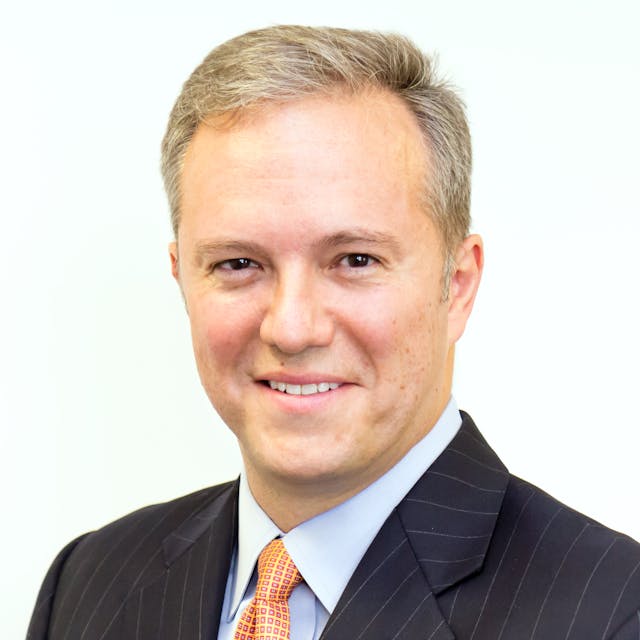
by Andrew Russell
Andrew Russell is Director of Fixed-Income Investments and a member of the Investment Team at the Pension Boards-United Church of Christ. He leads a team of investment professionals who are responsible for all internally managed fixed-income investments.
We all agree on the mission—invest the assets held in trust for retirement wisely and prudently, while maximizing the positive impact on climate change, human rights and providing capital to empower those challenged by a lack of economic success.David A. Klassen
Chief Investment Officer at the Pension Boards
RELATED ARTICLES
Reflections on Our Sustainability Journey—People and Process Behind the Progress
ICCR: Leveraging Investments for People and the Planet
POPULAR RESOURCES
Why Sustainability Matters: 2024-25 Sustainability Report
The Pension Boards' 2024-25 Sustainability Report, themed "Why Sustainability Matters," centralizes on the organizations' commitment to corporate social responsibility and responsible investing by way of its journey and recent advancements in four areas: alignment; integration; impact; and engagement.
Generations: A Journal of Faith and Finance - Cultivating Resilience and Self-Care in a Multi-Vocational World
Cultivating Resilience and Self-Care in a Multi-Vocational World