
Planning For Tomorrow
6 min read

Retirement Security in a Changing World: Why Collective Plans Still Matter
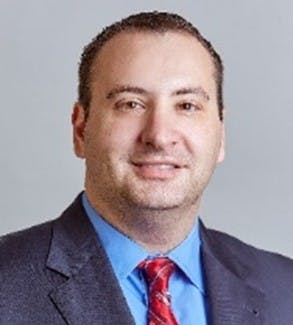
by Travis Marks, CFP®, CFA®
Pension Boards-United Church of Christ, Inc.
The Shift in Retirement Planning
Over the past four decades, the retirement landscape has undergone a profound transformation. In the mid-20th century, most workers relied on defined benefit pension plans—employer-sponsored programs that provided steady income for life. These plans pooled risk across a community of workers, ensuring that no one faced retirement alone.
Today, that model has largely been replaced by defined contribution plans, such as the 401(k). These plans put the responsibility—and the risk—squarely on individual plan members. While they offer flexibility and portability, they also expose retirees to market volatility and longevity risk. In short, you can outlive your savings.
This shift toward privatization has created a new reality: income insecurity in retirement is rising. According to industry data, the average 401(k) balance hovers around $137,000—a figure that may sound substantial but often falls short of what’s needed for decades of retirement living.
Private Market 401(k)s: Individual Risk in a Volatile World
A 401(k) plan is a market-driven account. Your contributions, along with any employer match, are invested in mutual funds or similar vehicles. Growth depends on market performance, and withdrawals in retirement are limited to what you’ve accumulated.
While this system works well for the highest earners who can save aggressively, it leaves many workers, such as nonprofit and ministry professionals, vulnerable. There is no guarantee of lifetime income. Once the account is depleted, the safety net disappears.
Nonprofit Pension Plans: A Community Approach
Contrast this with the philosophy behind pension plans. These plans are collective protection tools, designed to pool resources and share risk. Instead of leaving individuals to navigate market swings alone, pension plans provide predictable, lifelong income. They embody a principle of stewardship—ensuring that those who have dedicated their lives to service can retire with dignity.
The Unique Role of 403(b)(9) Church Plans
For clergy and nonprofit employees, the 403(b)(9) plan offers a distinctive advantage. Unlike a standard 403(b) or 401(k), these plans are structured to provide lifetime income through annuitization. This means you cannot outlive your benefits, a critical safeguard in an era of increasing longevity.
Additional features, such as the housing allowance for ministers, make these plans uniquely suited to the needs of faith-based professionals. Contributions grow tax-deferred, and at retirement, they convert into monthly payments that continue for life.
Why This Matters Now
We are living longer than ever before—a wonderful gift, but one that requires thoughtful planning. Market fluctuations are part of today’s reality, and with more responsibility placed on individuals, many retirees feel uncertain about their financial future. In this environment, plans that emphasize security, predictability, and community stewardship are not just helpful—they’re essential.
For many pastors, ministry is a calling, not a career chosen for financial gain. Yet pastoral salaries often fall below national averages, leaving little room for long-term savings. While the heart of ministry is service, the need for financial stability cannot be overlooked.
Even modest contributions can feel challenging when budgets are tight and rising living costs add to the complexity. Still, planning for retirement is not only possible—it’s vital. With the right tools and support, a secure future is within reach.
Our Commitment as Stewards
Retirement planning isn’t just about numbers—it’s about people. It’s about ensuring that those who have dedicated their lives to service can retire with dignity and peace of mind.
As an organization, we are committed to being wise stewards of your trust. Our goal is to provide solutions that protect lifetime income and reflect the values of security, community, and financial wisdom. Together, we can help you build a future that honors your service and sustains your wellbeing.
To learn more about how our 403(b)(9) plan works—and how it can help you build a secure future—visit www.pbucc.org or call 800.642.6543 to speak with a Pension Counselor.
Call an LSS Financial Choice Counselor
Pension Boards’ members and their immediate family members have access to six free financial counseling sessions, which include consumer credit counseling, budget and debt management, student loan repayment, housing counseling, and more. Start your journey to financial wellness today by calling 833.975.0719 from 9:00 a.m. to 6:00 p.m. ET.
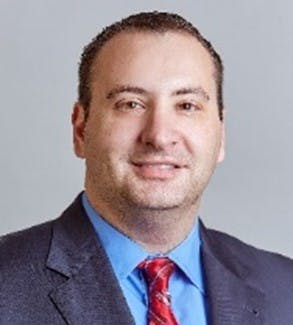
by Travis Marks, CFP®, CFA®
Travis Marks, CFP®, CFA®, is the Director of Generations University for the Pension Boards, responsible for the education initiatives for Pension Boards members, employers, and internal staff. Prior to joining the Pension Boards, Travis worked as Senior Manager of the National Financial Education Practice (FEP) for PricewaterhouseCoopers. He has more than 16 years of financial planning, education, and management experience, and has a passion for helping people improve their finances.
Part of our role as elder adults is to care for generations and persons we will never meet. Our generativity is aimed at leaving a positive mark beyond our lifetime.Bruce Epperly
retired UCC and Disciples of Christ pastor
RELATED ARTICLES
Are You on Track for Retirement?
Retirement: Live for Today and Plan for Tomorrow
POPULAR RESOURCES
Setting SMART Financial Goals
Setting financial goals can motivate you to save money. When these goals are SMART, you’re more likely to achieve them.
Evercall Magazine: A General Synod 35 Edition
An exploration of how individuals and institutions can establish deep, resilient foundations—because of ministry, and for the sake of ministry—to sustain faithful service and justice-driven leadership today and into the future.