
Health & Well-Being
6 min read

Pastoral Care and Mental Health Care: Understanding the Difference

by Ashley Nolte
Pastor, Pilgrim United Church of Christ in Grafton, WI
The Rev. Ashley Nolte, Pastor at Pilgrim United Church of Christ in Grafton, WI, who recently earned a Master of Arts Degree in Clinical Mental Health Counseling at Lakeland University in Plymouth, WI, is also a Licensed Professional Counselor-In Training (LPC-IT) in the state of Wisconsin. She explores the nuanced distinctions between pastoral care and mental health care, drawing from her extensive experience. She provides valuable insights and resources for clergy members navigating these differences.
As a pastor, one of the realities I’ve come to terms with is that pastoral care is different from mental health care. I remember trying to convince my advisor to allow some of my coursework from seminary to transfer to my Master of Arts degree. He, along with the program director, were adamant that my previous seminary/pastoral care coursework wasn’t applicable to a degree in Clinical Mental Health. At the beginning of my program, I was reluctant to accept that my coursework didn’t transfer. But having now graduated, I see the stark differences between the role of clergy and the role of mental health clinician.
Pastoral Care is Not Mental Health Care
I could say this again and again and again. Especially when working with individuals who have Scrupulosity (a form of OCD related to religion), I saw the potential harm well-meaning clergy might do when working alongside individuals with significant mental health issues. I also looked back and saw how my own well-meaning attempts to offer pastoral care may have potentially caused my members damage. People with Scrupulosity constantly ask for reassurance that they’re forgiven for sins, that they’re a good person, that they’re going to heaven, etc. As kindhearted clergy, it’s our instinct to reassure our church members. But by constantly providing affirmation and reaffirmation, we actually validate their fear.
Understanding the Difference
Pastors want to help people feel better. Sometimes pastors may unintentionally feed anxiety by answering questions or providing validation and reassurance. That makes it harder for the individual to change their behavior. Pastors are not trained to diagnose, treat or address the root causes of anxiety. It is the accurate diagnosis, creation of goals and a treatment plan, which has the potential to foster healing. The heart of pastoral care is presence. You provide space for people to become honest and vulnerable, and provide some reassurance by letting people know they are held in love and offered forgiveness. In comparison, clinical mental health treatment means having a goal, identifying the symptoms, and saying, “This is what you want to manage, and this is how you can work through it.” In terms of mental illness, clergy members must be careful about what they don’t know.
In my own experience, it was pretty late in my career when I realized I was in over my head. I began my Master of Arts program during the Covid pandemic— a time of intense trauma and isolation, and where people didn’t know how to process or navigate our new reality. I had no qualifications or training when people came to me for help in navigating their trauma and mental struggles, and I didn’t feel like I was doing them any good by pretending to know.
Become Familiar with Mental Health Resources
It’s a difficult conversation when you have to say, “I know I’ve been working with you, but I’m just not qualified to help you manage your mental health needs.” That can be devastating to a member who is already struggling. They might hear that they’re “too much” or “too sick” or “beyond help.” One of the best actions a pastor can take is to allow themselves to be human— become familiar with the referral process, as well as local clinics and private practices. No matter how hard we try and how deep we love, clergy cannot save anyone but ourselves.
So, one of the best things for clergy to do is become familiar with the mental health resources in their area. This includes private practice, but also clinics that accept Medicare and Medicaid. Another great resource that every pastor should have available is information on the closest Human Resources & Services Administration (HRSA) center. HRSA are government-supported, local health centers that provide services ranging from primary care, dentistry, and mental health care. These centers utilize income-driven payment policies, so their health services are often affordable.
As clergy members, it is important to understand mental health care as best you can to support your members to the best of your ability. To learn about the closest HRSA center near you, click here.
Learn More about Mental Health.
Read “Spotlighting Mental Health for Overall Wellness,” by the PBUCC Editorial Team. The article explores compassion fatigue, stress, burnout and the link between mental and physical health, along with practical steps you can apply to your life for improved health outcomes.
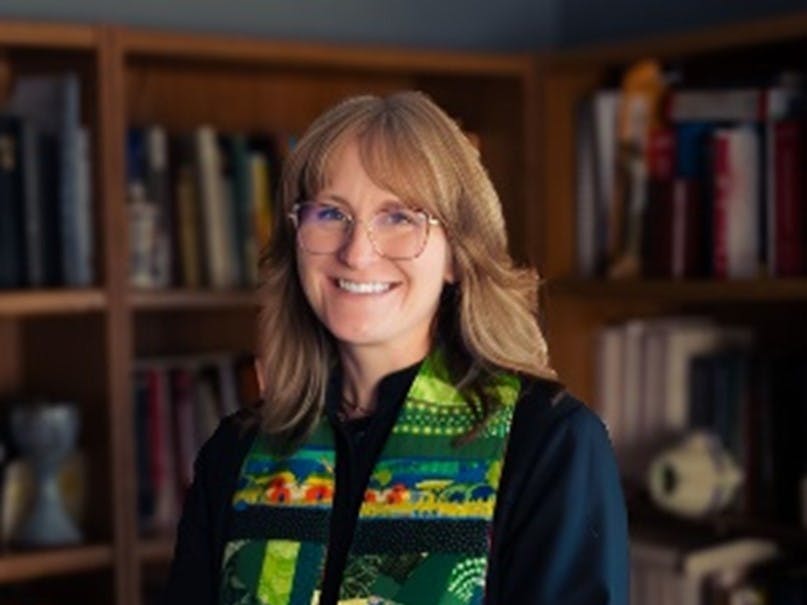
by The Rev. Ashley Nolte
The Rev. Ashley Nolte, Pastor at Pilgrim United Church of Christ in Grafton, Wisconsin is a former participant in the Next Generation Leadership Initiative, class of 2023. She earned her Master of Arts Degree in Clinical Mental Health Counseling at Lakeland University in Plymouth, WI in 2024. She is now an LPC-IT (Licensed Professional Counselor-In Training through the state of Wisconsin) and works part time as a therapist at a local outpatient behavioral health clinic. She enjoys anything she can do outdoors, including outdoor time in her garden with her chickens, canoeing and kayaking, tent camping, and riding her bike. She is an avid reader and painter.
What we eat largely determines how we thrive and whether what we are putting in our bodies helps or hurts our greatest asset: physical health.Dr. Barbara Livingston
Co-founder, Pastoral Formation Program
RELATED ARTICLES
Spotlighting Mental Health for Overall Wellness
Create a Mentally Healthy Lifestyle
POPULAR RESOURCES
Securing Your Foundation for the Ministry of Others
Changes in your ministry role, unexpected life events, or other personal challenges can impact your financial wellbeing and retirement plans. Secure your financial foundation.
The Realities of Money Video Reflection
The Realities of Money with Rev. Zack Jackson