
Health & Well-Being
9 min read

Building a Sustainable Self-Care Plan: A Journey Toward Flourishing
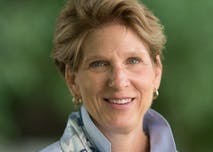
by Barbara E. Livingston, D.Min., LMHC, DipACLM
Co-founder, Pastoral Formation Program (PFP)
If 101 things are on your ‘to do’ list and your plan to do something for yourself is all the way at the bottom, this article is for you.
The new year is a great time to settle in for some deeper personal reflection. Perhaps this is the moment you have been waiting for—the invitation that you need—the nudge to identify areas in your life that need a sustainable change—yet you need help figuring out how to do it. In this article, you can find encouragement and an invitation to show up for yourself. Why, you ask? Because having a reliable practice of care that contains actions that nurture, sustain, and calm is vitally important for all those who regularly face stress. I’m talking to ALL OF US!
It is not news that intentional, effective self-care practices are the mainstay of personal wellbeing. In current times, we don’t need to look long or far for references to mindfulness, wellbeing, or self-care. It is in the news, all over social media, and widely sold by those we now know as “Influencers.” It all points to the same thing: People have limited skills and are struggling to respond to untenable amounts of stress. We all seem to want to manage and prevent stress in a healthy and life-giving manner, but how? Not surprisingly, a trickledown effect also occurs when a leader, minister, or caregiver—that’s you—struggles with poorly managed stress. It not only affects you, but it also impacts the health and wellbeing of the church or organization you serve.
Pastoral Formation Program (PFP)
For many years, I have had the privilege of accompanying UCC Members in Discernment (MIDs) in the psychological and emotional journey of self-disclosure/discovery that meets the psychological assessment component of the ordination process. This critically important evaluation is used to determine whether or not a candidate is psychologically and emotionally “fit” for the challenging call to ordained ministry. My colleagues and I developed the Pastoral Formation Program (PFP) to meet this need in our home conference—now the SNEUCC (Southern New England Conference for the UCC). Our goal is to, in our words, grow healthy, self-aware clergy who can go the distance.

An important and relevant component of the eight-session program is an assignment that might be of help to anyone reading this: the MID is tasked with writing a renewable 3-year plan of self-care. Through emphasizing effective and regular self-care practices, our hope was to plant the seed of intentionality, purpose, and meaning in healthily living out one’s call. We proactively set out to inoculate MIDs with the ideology of self-care and prevent burnout in those who are newly ordained. It is looking through this lens that I now ask you to intentionally reflect on your own evaluation during your MID process or a subsequent time of self-discovery.
- What strengths and limitations were revealed?
- Were you encouraged to think about how a solid and well-constructed plan of self-care can be transformative in your limitations and help you flourish?
Interestingly, our task in the psychological assessment did not include whether any of these pre-existing patterns could point to or predict another critically important and often little-discussed issue of self-care: personal financial knowledge and the capacity for effective wealth management and retirement planning as part of one’s professional health. As we consider your overall plan of self-care:
- Does it include exploring the financial management patterns in your life?
- How well do you understand your family legacy around financial responsibility and goals?
Understanding this may allow you to uncover unidentified or neglected burdens you unwittingly carry. This is a critically important component that often goes ignored but silently wreaks havoc on your wellbeing. Ignoring financial self-care exacts a price on many levels; attending to this is crucial when considering the overall care of self.
Because of ministry, wellbeing matters.
“If self-care feels difficult, it’s worth exploring why. Without caring for our physical, mental, emotional, spiritual, and financial health, we cannot fully live the life intended for us.”
The Nitty-Gritty Truth of Why Self-Care Matters
Many people have been raised to believe that it is selfish to have needs and to look for ways to address them. Self-care is not selfish—it’s foundational. Whether you're in ministry, caregiving, or leadership, your health and wellness matter to those around you and to the Divine. Effective self-care replenishes your energy, restores your joy, and helps you live out your call with authenticity and strength.
The Operating Assumption: We All Have Needs
A gentle and powerful truth: everyone has needs. Meeting those needs through wellness practices requires self-knowledge and insight. If self-care feels difficult, it’s worth exploring why. Without caring for our physical, mental, emotional, spiritual, and financial health, we cannot fully live the life intended for us.
So let’s dust off any existing plan of self-care you may have and see where things stand. What is in it? Is it relevant to what you need at this time in your life? A plan of self-care is only as good as its relevance and whether you are committed to enacting it. Plans only work when you use them, so rather than storing them in the “cold file” for when you “get around to it,” consider this your invitation to be stretched and to grow. This can be a time to make room for what will help you flourish on all levels.
Creating Your Personalized Plan
- Take your needs seriously. Prioritize your well-being!
- What do health and wellbeing look like for you? What are your needs and current practices? What are you already doing for self-care? Is it working?
- Brainstorm new ideas: Physical activity, rest, writing, eating a healthier diet, and reflection are just a few options.
- Identify barriers and ask for help. If you are stuck, it is okay to ask for help from people who can identify what is keeping you stuck. There may be cultural, familial, and community messages at work which may cloud your priorities.
- Who’s on your “bench?” Surround yourself with accountability partners who have the demonstrated capacity to support you and your journey.
- Set SMART goals: Be specific, measurable, achievable, relevant, and time-bound.
- Choose ONE thing that is achievable and start there.
Vital Components of a Renewable Self-Care Plan
A sustainable self-care plan includes necessary ingredients so it can work. Do you do these all at once? No! We all know that is not reality. These are the overarching goals. Prioritize what is achievable and do what is most important.
- Be grounded in meaning and purpose: Consider and reconnect with what is life-giving and provides depth.
- Make healthy lifestyle choices: Regularly move your body, eat nourishing foods, stay hydrated, and get restorative sleep most nights.
- Seek spiritual and emotional support: Seek guidance from certified professionals and spiritual directors, practice your faith, and engage. If you are a Pension Boards’ member, you have access to a Licensed Professional Counselor or Work/Life Specialist as part of your health benefit through Health Advocate™ (1.877.240.6863).
- Achieve financial wellness, including retirement planning: Stewardship of your financial resources is a form of self-care that supports long-term stability. Planning ahead is a critically important component in securing financial outcomes for you and your family. Your financial success can be supported by:
o Seeking guidance from trusted and experienced financial counselors offered through the Pension Boards.
o Starting an emergency fund to save for unexpected emergencies. Financial advisors usually recommend setting aside three to six months of your monthly expenses.
o Contributing a few extra dollars or a percentage of your paycheck each pay period to the UCC Lifetime Retirement Income Plan.
o Planning your legacy now so that your future wishes will be honored for the people, causes, or ministries you care most about. Then, revisit and update your plan annually.
o Making financial wellness an area of strength. However unfamiliar and uncomfortable, it could not be more important in reducing chronic stress and improving your mental wellbeing.
o Seeking education and asking for help. The Pension Boards offers financial wellness guidance to help you meet your goals and to ensure your foundation is strong so you can serve others well.
o Keeping your self-care plan where you will see it. Reassess it on a regular basis. Adjust as needed.
The Good News
Self-care is self-love. It is transformative and sustainable, and it empowers you to thrive, not just survive. By choosing practices that bring joy and restoration, you can make a meaningful difference in your life. You deserve to flourish!
Practice Health to Be Healthy
Self-care is not a one-time thing, and it certainly is not a luxury—it’s a lifelong practice. By building a plan and skills that reflect your unique needs and values, you create space for healing, growth, and joy. Remember, you are God’s beloved! Treat yourself with the same love and compassion you offer to those you serve in your ministry.
Build Your Self-Care Plan
Watch Building a Sustainable Self-Care Plan webinar, which offers a compassionate and practical roadmap for individuals seeking to nurture their wellbeing in a way that is both realistic and deeply personal.
by Dr. Barbara E. Livingston, D.Min., LMHC, DipACLM
Dr. Barbara E. Livingston, D.Min., LMHC, DipACLM, is a practicing pastoral psychotherapist and clergy consultant who lives and works in the Boston area. She is the co-founder and a practitioner in the Pastoral Formation Program (PFP), a psychological evaluation program in use for over 20 years by the SNEUCC to assess fitness for ministry in Members in Discernment. A Diplomate in the American College of Lifestyle Medicine, she also holds certification as a Culinary Health Coach. She has presented her work several times to the Institute of Lifestyle Medicine Conference (Harvard University) on how integrating the principles of lifestyle medicine into psychotherapeutic practice creates successful patient outcomes. For more, visit www.drbarbaralivingston.com.
What we eat largely determines how we thrive and whether what we are putting in our bodies helps or hurts our greatest asset: physical health.Dr. Barbara Livingston
Co-founder, Pastoral Formation Program
RELATED ARTICLES
The Relationship Between Heart Health and Mental Health
Clergy Self-Care Includes Your Finances
POPULAR RESOURCES
Evercall Magazine: A General Synod 35 Edition
An exploration of how individuals and institutions can establish deep, resilient foundations—because of ministry, and for the sake of ministry—to sustain faithful service and justice-driven leadership today and into the future.
Setting SMART Financial Goals
Setting financial goals can motivate you to save money. When these goals are SMART, you’re more likely to achieve them.