
Planning For Tomorrow
8 min read

A Journey Toward Financial Wellbeing and Retirement Planning

by Jesse Tanner
Committed to focusing on his finances to secure his retirement, the Rev. Dr. Jesse Tanner, Pastor of First Congregational Church in Elgin, Illinois, and participant in the Pension Boards’ Ministers’ Financial Vitality Initiative, shares his views about money, especially after chipping away at his student loan debt for about 20 years. With retirement on the future horizon and the Pension Boards at his side, Rev. Tanner is making his retirement a foreseeable reality.
Q: How has participating in the Ministers’ Financial Vitality Program (MFVI) program impacted your financial planning?
A: I’m still fairly new to the MFVI program, but the opportunity to speak with an LSS Financial Choice counselor and not having it be a part of my budget is a huge help. I never really had access to anyone like that—an expert who could answer direct questions about saving for retirement; discuss the different kinds of retirement plans; or if I wanted to do any other kinds of investment. So being able to ask questions without having to rely on friends or family for guidance is a great help.
Q: Why did you initially seek out financial counseling?
A: I sought financial counseling assistance specifically for retirement planning and how to go about it. I’m getting a clearer plan on how much money to contribute monthly, and how to set goals. Talking with a financial counselor has helped me get clearer on how to build stability for my retirement. It’s been proactive and more beneficial than anything I’ve done before in this area.
Q: Were there any “aha!” moments when working with a financial counselor?
A: One key realization was that I don’t need to make huge financial decisions all the time. Small, consistent changes really do add up and make a difference. Over time, those steady actions lead to real results.
Q: What’s next for you in terms of financial planning?
A: I’ll be scheduling another quarterly session with my LSS financial counselor. I’m in the process of selling a house and looking to buy another, so I'm intrigued and interested in learning about the homebuying process. It’s comforting to know I have someone to ask who can offer expert advice.
Q: What does your financial situation look like now?
A: While I don't feel as financially secure as I should be in my mid-40s, I’m hopeful. I contribute regularly to the Pension Boards’ retirement plan, and retirement planning is now a major focus. MFVI is helping through its incentives, and thankfully, I’ve paid off my student loans—something I chipped away at for about 20 years, often making extra payments each year.
Q: What would you say to other ministers about the value of LSS Financial Choice counseling?
A: I would say to treat financial planning like any other area of wellbeing management in your life. There are many things that we need to pay for in our daily, weekly budget—and it’s so helpful to have partners who can help us learn more about finances. Because this resource is available to me at no cost, I’m finally able to prioritize financial planning in my life.
Q: How do you balance personal life, self-care, and the needs of your congregation?
A: Self-care was something that was not valued in the past, but I’ve benefited from a new generation of seminary teaching that values it. I have always be driven to balance and I've always taken it seriously to draw boundaries, and set priorities. I've learned to treat this as a part of my general holistic wellbeing—the more that I prioritize it, the more I reap the benefits.
For Young Ministers
Q: What advice would you give to young ministers starting out in ministry regarding self-care?
A: It’s of utmost importance. Taking care of yourself means taking care of your family and your ministry. If you're not checking in all the time and doing the things that you need to do—be centered and prayed up—it's going to be really hard to serve and be present with other people, and do the work that you're called to do, including advocating for yourself within your council, and within your congregation.
Some people may expect pastors to work 70-hour weeks, and they are going to hold you to that expectation, but you must set boundaries. Don’t sacrifice yourself. You're doing something that not everyone can do or wants to do—something that is so sacred and important to people.
Q: What would you say to younger clergy about securing future income for retirement?
A: Gen Z clergy may have tougher times ahead, but you’re not alone. Seeking financial help is not weakness—it’s wisdom. Financial health is spiritual health. Start with small steps. They’ll lead to lasting change.
On Retirement
Q: When you think about retirement, what emotions come up?
A: It’s a mix of hope and uncertainty. Maybe, because I want to be prepared, but it’s overwhelming at times—especially being in my forties and still not feeling where I should be financially. Still, I have a lot more hope than I did a few years ago, thanks to the tools, resources, and partnership with the Pension Boards.
Q: What does retirement look like for you?
A: I don’t think I’ll fully retire. As long as I’m mentally and physically able, I’d love to continue leading worship and working in churches in some way—maybe I will continue to work half or a quarter of the time, or as a volunteer. I love it so much. It’s such a calling. I see myself leading Bible studies and staying engaged in theological work. Perhaps retirement would be not having the pressure of actually being the pastor, but being able to lead bible studies and do that kind of theological and community work.
My biggest concern is not being a financial burden on my children. My goal is for my wife and me to be able to care for ourselves in retirement. That’s my motivation—and even though the emotions are mixed about retirement, it’s not all bad. In fact, it’s getting better with each step I take in planning for it.
Talk Money with an LSS Financial Choice Counselor.
Pension Boards’ members and their immediate family have access to six free financial counseling sessions, including topics that range from consumer credit counseling, budget and debt management, student loan repayment, housing counseling, and more. Start your journey to financial wellness today by calling 833.975.0719 from 9 a.m. to 6 p.m. ET.
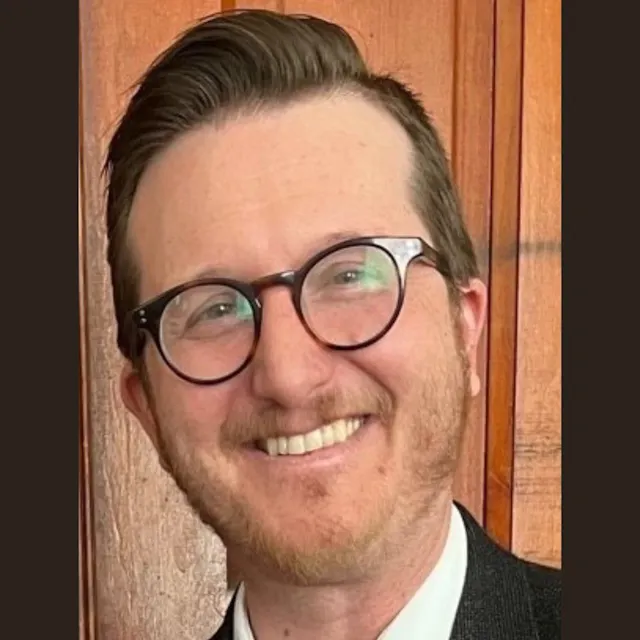
by Rev. Dr. Jesse Tanner
The Rev. Dr. Jesse Tanner is Senior Pastor of First Congregational Church of Elgin, Illinois, where he has served for six years.
Part of our role as elder adults is to care for generations and persons we will never meet. Our generativity is aimed at leaving a positive mark beyond our lifetime.Bruce Epperly
retired UCC and Disciples of Christ pastor
RELATED ARTICLES
Retirement: Live for Today and Plan for Tomorrow
On Holy Labor
POPULAR RESOURCES
Setting SMART Financial Goals
Setting financial goals can motivate you to save money. When these goals are SMART, you’re more likely to achieve them.
Evercall Magazine: A General Synod 35 Edition
An exploration of how individuals and institutions can establish deep, resilient foundations—because of ministry, and for the sake of ministry—to sustain faithful service and justice-driven leadership today and into the future.